What Makes Brixham Fish and Chips Different — and Why the Fish Matters More Than You Think
April 2, 2026If you’ve ever wondered why some fish suddenly becomes more expensive, disappears from menus, or is suddenly everywhere on the specials board, you’re not alone. The seafood world changes constantly, and this spring is shaping up to be another interesting season.
From rising salmon demand to cod price pressures and even an unexpected octopus boom off the South West coast, here’s a quick look, we review the newsletter from Kingfisher Brixham and look at what’s going on beneath the surface in the world of fish.
Salmon Still Reigns Supreme
Let’s start with a fish most people know well.
Salmon continues to dominate the UK seafood market. In fact, sales have climbed to £1.5 billion, making it the country’s most popular fish by quite some distance.
Demand has risen by over 7% in the past year alone, accounting for almost a third of all fish sales in the UK.
But popularity has a downside.
Prices are starting to rise again due to a mix of lower production growth, disease challenges such as sea lice, and producers managing supply to avoid oversaturation of the market. In simple terms: salmon is loved, so demand stays strong, and prices follow.
Cod and Haddock Continue to Cause Headaches
If you’ve noticed cod getting more expensive, you’re not imagining things.
The global white fish market remains under serious pressure. Cod and haddock prices have climbed steadily, and the outlook suggests they may stay at record levels for the foreseeable future.
Several factors are behind this:
- Reduced fishing quotas
- High global demand
- Limited frozen stock reserves
- Increased buying activity from international markets
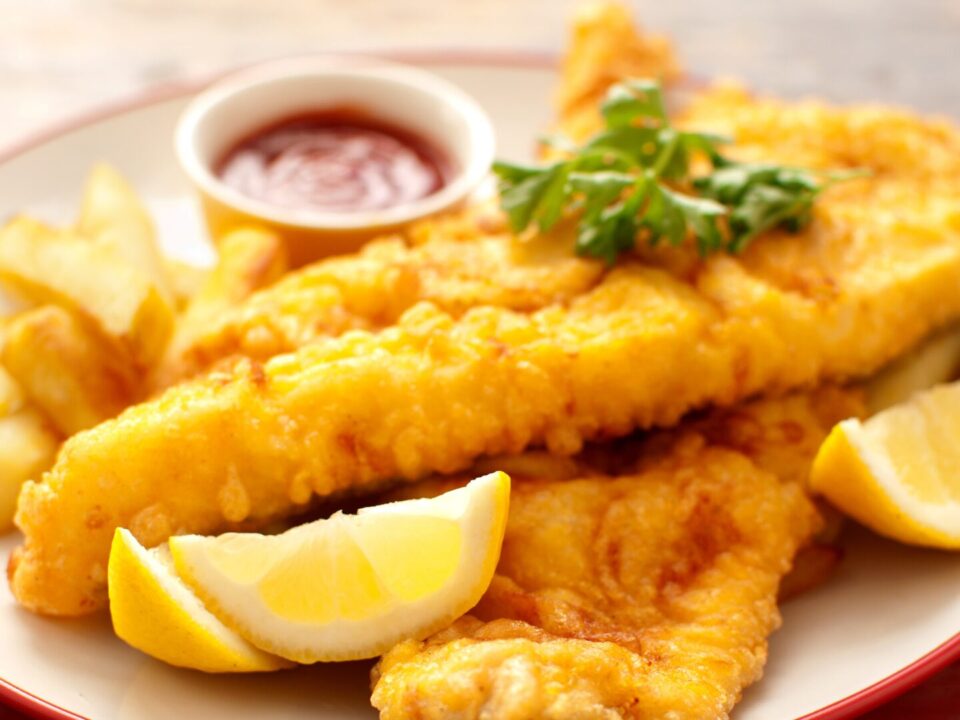
Add it all together and you get one thing: expensive fish and chips.
This is why many fish suppliers and restaurants are beginning to look at alternative species like coley, hake, or meagre to keep menus affordable without compromising on taste.
Skrei Cod: The Seasonal Superstar
Not all cod news is gloomy.
Each year between January and April, a special migratory cod called Skrei arrives from the Arctic waters of the Barents Sea.
This fish swims over 1,000 kilometres to reach its spawning grounds in Norway, which results in a lean, firm texture and incredibly flaky white flesh.
Because of this epic journey, Skrei is often considered one of the highest-quality cod varieties available and is highly prized by chefs around the world.
Think of it as the “limited edition” version of cod.
Monkfish is Having a Moment
While some fish are getting harder to source, others are stepping into the spotlight.
Monkfish is expected to be a strong option this spring, with consistent catches and relatively stable prices compared to other species.
Its dense, meaty texture makes it incredibly versatile in the kitchen. It works beautifully in curries, ceviche, grilled dishes, or even simply pan-fried with butter.
It’s one of those fish that surprises people when they try it for the first time.
A Surprise Guest: The Octopus Boom
Something unusual has been happening off the South West coast of the UK.
Scientists have recorded a dramatic increase in the population of common octopus in recent years, creating what many are calling an “octopus bloom.”
While fascinating from a scientific perspective, it has also had real consequences for local fisheries. Octopus are extremely effective predators, and increased numbers have been affecting crab and lobster stocks in some areas.
Nature has a funny way of keeping everyone on their toes.
Sustainability is Becoming More Important Than Ever
Alongside changing fish populations and market pressures, sustainability continues to play a major role in how seafood is sourced.
Many suppliers are now focusing heavily on:
- Responsible fishing practices
- Certified sustainable seafood
- Reducing packaging and carbon footprint
- Improving animal welfare standards
In fact, new guidelines from the UK government suggest that traditional methods such as live boiling of crabs and lobsters may soon be phased out in favour of more humane alternatives.
The seafood industry is evolving quickly to adapt to these changes.
Why Seasonal Fish Matters
Spring can be a tricky time in the seafood calendar.
Some species are entering spawning season, others are migrating, and weather conditions can heavily affect fishing activity. Spring-Catch-Up-From-Kingfisher…
That’s why chefs and fishmongers often recommend keeping menus flexible and focusing on what’s fresh, abundant, and in season.
You might notice species like:
- Plaice
- Megrim sole
- Hake
- Monkfish
appearing more often during this time of year.
Trying different fish doesn’t just help manage supply pressures, it can also introduce people to flavours they may never have considered before.
The Big Picture
The seafood industry is constantly evolving.
Fish stocks shift, global demand changes, weather patterns affect catches, and sustainability standards continue to improve. All of these factors influence what ends up on menus and fish counters.
But one thing remains the same: there has never been a better time to explore the incredible variety of fish available.
Because sometimes the next favourite fish you discover isn’t the one you expected.